
Exploring the Fashion Industry: Trends, History, and Insider Insights
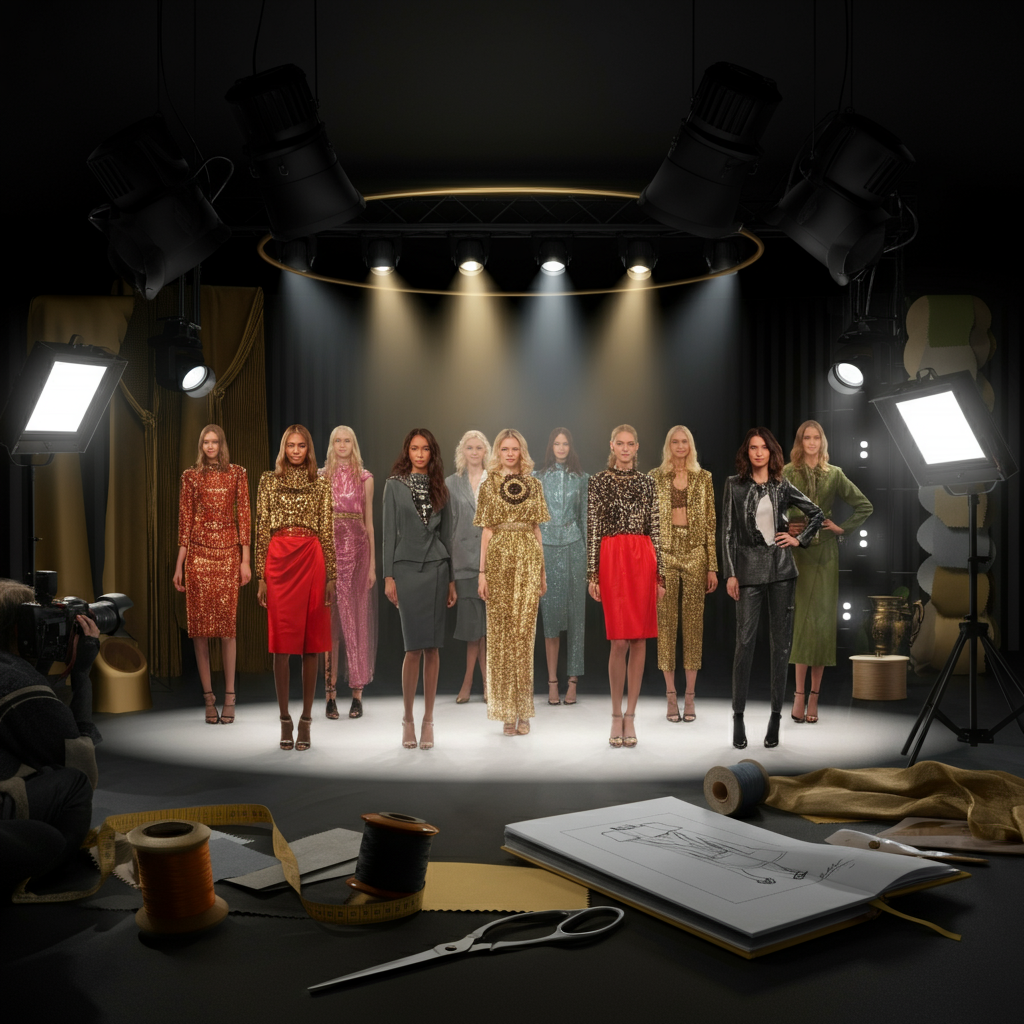
Fashion is more than clothing; it’s an art form, a representation of culture, and a powerful industry shaping societies around the globe. From the runways of Paris to the bustling marketplaces of developing nations, fashion tells the story of human evolution, creativity, and adaptability. This article will uncover some of the key facets of the industry, from its intriguing history to the latest trends and strategies that keep it innovative and relevant.
The Roots of Fashion: A Brief History
Fashion isn’t just about what’s trending this season—it’s deeply intertwined with history and societal movements. The story of clothing and style spans centuries, with each era reflecting the aspirations, conflicts, and milestones of human civilization.
1. Fashion Through the Ages
-
- Ancient Societies: Clothing served as both necessity and symbolism. Ancient Egyptians wore garments made of linen, with elaborate collars signifying status. Similarly, the Romans’ use of togas communicated citizenship and stature.
- The Middle Ages: This era saw the emergence of textiles as an art form. Sumptuary laws governed fabrics and styles, reserving luxurious materials like silk and fur for the elite.
- The Industrial Revolution: Perhaps the most significant turning point, industrialization shifted fashion from handcrafted clothing to mass production. This era marked the birth of department stores and ready-to-wear clothing, democratizing style for a wider audience.
- The 20th Century: Coco Chanel introduced the little black dress, Yves Saint Laurent championed ready-to-wear lines, and the 1960s saw fashion as a political statement through counterculture styles like tie-dye and denim.
2. Fashion as Cultural Mirror
Fashion isn’t just about looking good—it mirrors societal changes. For instance:
-
- The rise of women’s trousers paralleled the feminist movement.
- Punk fashion in the 70s reflected rebellion, while the glitz of the 80s symbolized economic prosperity.
- Today, trends like oversized silhouettes and gender-neutral garments signify a move toward inclusivity and self-expression.
Today’s Fashion Trends and Innovations
The fashion industry is constantly evolving, pulling influences from art, technology, and cultural shifts. Here are some trends reshaping the industry today:
1. Sustainable Fashion
With growing awareness of environmental issues, sustainability has taken center stage. Fast fashion’s throwaway culture has been replaced with an emphasis on conscious consumption.
-
- Key Concepts:
-
- Circular fashion promotes recycling and repurposing materials.
- Brands like Patagonia and Stella McCartney prioritize eco-friendly practices, using organic fabrics and reducing water waste.
- Case Study:
Eileen Fisher’s Renew program demonstrates sustainability in action. The program collects old garments, revamps them, and resells them as unique pieces under a circular business model.
2. Digital-First Fashion
The rise of technology is transforming the way fashion is designed, produced, and consumed.
-
- Virtual reality (VR) and augmented reality (AR) have made their way into the industry. Virtual fashion shows—like Balenciaga’s virtual reality collection launch—are now part of the norm.
- Some brands are dabbling in digital-only clothing. Designers like The Fabricant create entirely digital outfits, allowing consumers to wear them virtually for social media.
3. The Rise of Gender Fluidity
Gender norms in fashion are dissolving, with unisex clothing lines gaining popularity. Brands like Gucci and Telfar blur the lines by creating collections designed for all genders, emphasizing fluidity and individuality over traditional categories.
4. Fashion Meets Technology
-
- Wearable Tech:
From smart fabrics to connected garments, tech-driven fashion is taking off. Designs like Levi’s Google-powered jacket allow wearers to control their smartphones directly from the fabric.
-
- Supply Chain Innovation:
Technology is also revolutionizing the back end. Blockchain, for example, is being used to track and verify the ethical sourcing of materials, giving consumers greater transparency about the products they buy.
Designing Success in the Fashion Industry
While major brands dominate the headlines, countless small businesses, designers, and entrepreneurs shape the fashion landscape. Here’s what it takes to succeed in such a competitive industry.
1. Building a Brand Narrative
Today’s consumers are drawn to authenticity. Sharing the story behind a brand often resonates more than just showcasing products. For example:
-
- Tory Burch weaves her personal story of women’s empowerment into her designs and philanthropy.
- Brother Vellies captivates customers with its emphasis on traditional African craft techniques.
2. Social Media as a Catalyst
Platforms like Instagram and TikTok play pivotal roles in connecting designers with their audience. Direct engagement helps brands like Fashion Nova and PrettyLittleThing stay ahead of trends by gauging customer preferences through likes and comments.
Pro Tip:
Create video content to showcase behind-the-scenes moments, styling tips, and live unveilings to captivate your audience.
3. Collaboration Creates Excitement
Collaborations between designers, celebrities, and even video game developers generate buzz and broaden market reach. Think Louis Vuitton’s partnership with the video game League of Legends or Adidas teaming up with Beyonce’s Ivy Park.
4. Ethical Sourcing
Producing ethically isn’t just the right thing to do—it’s becoming a competitive edge. Brands adopting fair trade practices and paying living wages not only build consumer trust but also attract environmentally and socially conscious buyers.
Insider Insights on Challenges in the Industry
While fashion embodies creativity and self-expression, navigating the industry comes with distinct hurdles.
1. Fast Fashion and Its Fallout
Fast fashion brands have long embraced trends at breakneck speed, creating clothing at low prices. However:
-
- Overproduction has led to 92 million tons of textile waste annually.
- Workers often face unsafe conditions, as seen in incidents like the 2013 Rana Plaza factory collapse.
Solution: Emerging brands like Reformation and Veja strive for ethical alternatives, focusing on timeless designs and sustainable materials.
2. Globalization’s Double-Edged Sword
While globalization has expanded fashion’s reach, it has also intensified competition. Local designers often struggle to compete against multinational giants flooding markets with low-cost options.
Actionable Tip: Pivot by focusing on niche markets or offering regionally-inspired designs. For example, India-based Sabyasachi has achieved global acclaim by modernizing traditional Indian bridal wear.
3. Remaining Agile With Trends
The rapid pace of trends, fueled by social media, poses a challenge for designers to stay relevant. Brands must anticipate what’s next while staying true to their identity.
Pro Insight:
Adopt adaptive supply chain methods. Zara has perfected delivering collections from sketch to retail in as little as a few weeks, staying ahead without overcommitting to any one look.
The Future of Fashion
The fashion industry stands poised at the crossroads of tradition and transformation. Emerging talents, innovations, and rising awareness of sustainability are paving the way for a promising future.
What Can We Expect?
-
- Virtual Try-Ons:
AI-powered virtual fitting rooms could revolutionize how we shop, reducing returns and easing online shopping fears.
-
- 3D Printing:
Instead of manufacturing garments and removing waste, designers can “print” exact garment shapes, cutting down on excess material usage.
-
- Resale Renaissance:
Secondhand platforms like Depop and Poshmark show that resale is here to stay. Shoppers are gravitating toward vintage and preloved clothing as a lifestyle choice, not just a budgetary one.
Final Thoughts
The fashion industry is an intricate blend of creativity, commerce, and cultural influence. Whether marveling at its history, dissecting the latest trends, or strategizing for future success, one thing is certain—fashion has the power to shape not only how we look but how we see the world.
By understanding its various facets, we come to appreciate fashion not as idle vanity but as a dynamic field driven by passion and purpose. Whether you’re a budding designer, a conscious consumer, or a curious observer, there’s always something new to uncover about this fascinating industry. Keep watching, because the world of fashion never stops evolving.