
Discovering Plastic Molding for Large Parts
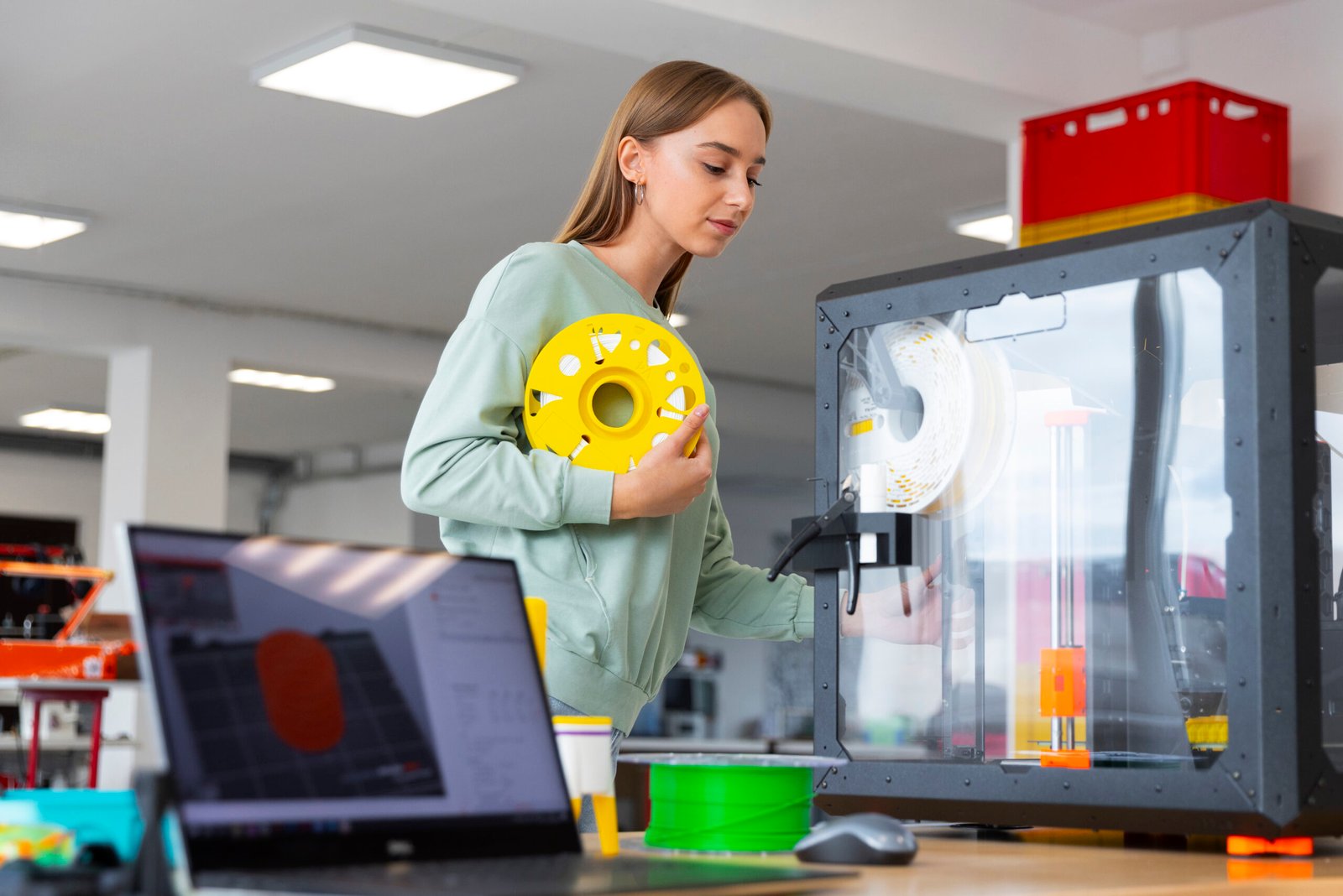
Plastic molding large parts stands as a cornerstone in modern manufacturing, allowing for the creation of diverse components that power industries from automotive to consumer goods. When it comes to producing bigger items, the process takes on unique considerations to ensure quality and efficiency. This exploration delves into the methods, materials, and practical aspects involved, offering insights for anyone curious about how oversized plastic elements come to life.
Understanding the Basics of Plastic Molding
At its core, plastic molding involves shaping molten material into a desired form using a mold. The material, typically a thermoplastic or thermoset polymer, is heated until it becomes pliable, then forced into a cavity where it cools and solidifies. This approach has evolved over decades, adapting to various scales and complexities. For larger components, the focus shifts to handling greater volumes of material while maintaining structural integrity and precision.
Different molding methods suit specific needs, depending on the part’s size, shape, and intended use. Factors like wall thickness, hollow or solid design, and production volume play key roles in selecting the right technique. As manufacturing demands grow, these processes continue to refine, incorporating advancements in machinery and materials to meet contemporary challenges.
Primary Techniques for Molding Large Plastic Parts
Several established methods excel in creating substantial plastic components. Each brings its own strengths, tailored to particular design requirements and material behaviors.
Injection Molding for Oversized Components
Injection molding emerges as a prominent choice for large, solid parts, where molten plastic is injected under high pressure into a mold cavity. For bigger items, this requires specialized high-tonnage machines, often ranging from 500 to 3,000 tons or more in clamping force to handle the immense pressures involved. These machines feature expansive platens and robust injection units to accommodate oversized molds, which can weigh thousands of pounds.
The process begins with heating resin pellets to a molten state, then injecting them through carefully designed gates and runners to ensure even distribution. Cooling systems, integrated into the mold, help solidify the part uniformly, preventing defects like warping. Software simulations often aid in optimizing flow paths, making it possible to produce complex shapes with embedded features such as ribs or inserts.
This method shines in scenarios demanding high repeatability and tight tolerances, though it necessitates significant upfront investment in tooling. Experienced teams manage variables like material flow and temperature control to deliver consistent results.
Blow Molding for Hollow Structures
Blow molding specializes in forming hollow, thin-walled items, making it ideal for voluminous containers and enclosures. The technique involves extruding a tube of molten plastic, known as a parison, which is then clamped into a mold and inflated with compressed air to conform to the cavity walls. Upon cooling, the part is ejected, often requiring trimming of excess material.
For larger applications, extrusion blow molding variants allow for bigger parisons, enabling the production of items like fuel tanks or industrial drums. The process supports multilayer constructions, incorporating barriers for enhanced durability or chemical resistance. Its efficiency lies in rapid cycle times and minimal material waste, though it is best suited for symmetrical, seamless designs.
Variations such as injection blow molding combine elements of injection for precise neck formations, expanding its utility in packaging and automotive sectors.
Rotational Molding for Versatile Large Forms
Rotational molding, or rotomolding, offers a low-pressure alternative well-suited for very large, hollow parts. It starts by placing powdered resin into a mold, which is then heated and rotated along multiple axes to evenly coat the interior surfaces. As the material melts and fuses, it forms a uniform layer; cooling follows while rotation continues to avoid sagging.
This method excels in creating seamless, stress-free structures like water tanks or playground equipment, with the ability to handle sizes up to several meters across. Tooling costs remain relatively low since molds are typically aluminum and endure less stress than in high-pressure processes. However, cycle times are longer, often spanning 20 to 30 minutes, due to the gradual heating and cooling phases.
Inserts can be integrated during molding for added functionality, and the process accommodates custom colors and textures without additional steps.
Thermoforming for Sheet-Based Designs
Thermoforming involves heating a plastic sheet until soft, then draping it over or into a mold using vacuum or pressure to shape it. Once cooled, the formed sheet is trimmed to produce the final part. This technique is particularly effective for large, shallow items like panels or trays, where depth is limited compared to width.
Vacuum forming, a common variant, pulls the sheet against the mold with suction, while pressure forming adds air pressure for sharper details. It handles materials in sheet form, allowing for quick prototyping and lower tooling expenses compared to injection methods. Large-scale applications include vehicle interiors or signage, benefiting from the process’s adaptability to various thicknesses.
Though not ideal for intricate undercuts, advancements in mold design have broadened its scope for bigger, contoured surfaces.
Compression Molding for Robust, Thick Parts
Compression molding targets thermoset materials, placing a pre-measured charge of resin—often in powder or sheet form—into a heated mold cavity. The mold closes, applying pressure to force the material to flow and cure under heat. This results in dense, high-strength components suitable for demanding environments.
For larger items, it accommodates bulk compounds like bulk molding compound, producing parts with excellent rigidity and minimal waste. The process is slower than injection but offers superior material properties for applications requiring heat resistance or electrical insulation. Tooling is durable, often steel, supporting long production runs.
Materials Suited for Large Part Molding
Selecting the right material is crucial for success in molding large parts. Thermoplastics like polyethylene and polypropylene dominate due to their melt flow characteristics and affordability. These offer good impact resistance and can be recycled, aligning with sustainability goals.
For enhanced strength, reinforced resins incorporating glass fibers or composites are employed, providing metal-like durability at reduced weight. Acrylonitrile butadiene styrene and polycarbonate add clarity and toughness, ideal for visible components. In rotational processes, cross-linked polyethylene variants ensure chemical stability for storage applications.
Emerging bio-based options and recycled blends are gaining traction, balancing performance with environmental considerations. Material choice influences processing parameters, such as melt temperature and cooling rates, to optimize outcomes.
Advantages of Molding Processes for Large Parts
These molding techniques bring numerous benefits to manufacturing. Foremost is the ability to achieve lightweight yet strong structures, reducing overall product weight in applications like transportation. Cost efficiencies arise from high-volume production, where per-unit expenses drop significantly after initial setup.
Design flexibility allows for integrating features like textures or mounting points directly into the mold, minimizing assembly needs. Uniformity and repeatability ensure consistent quality, vital for safety-critical items. Additionally, many processes support sustainable practices through material recyclability and energy-efficient operations.
Compared to metal fabrication, plastic molding offers corrosion resistance and easier customization, expanding creative possibilities across sectors.
Challenges and Solutions in Large Part Production
Despite the strengths, molding large parts presents hurdles. Uniform material distribution can be tricky, leading to defects like voids or uneven thickness. Solutions include advanced simulation software to predict flow and optimize gate placements.
Warpage from uneven cooling is another issue, addressed through sophisticated cooling channels and controlled temperature gradients. High tooling costs for oversized molds are mitigated by using durable materials and modular designs for longevity.
Facility requirements, such as space for large machinery and handling equipment, demand careful planning. Skilled operators and regular maintenance help overcome operational complexities, ensuring smooth production.
Applications Across Industries
The versatility of these methods finds expression in diverse fields. In automotive, injection and blow molding create bumpers, dashboards, and fuel tanks, enhancing fuel efficiency through lighter weights.
Construction benefits from rotational molding for durable storage tanks and protective enclosures, resistant to weather. Consumer products like outdoor furniture and bins leverage thermoforming for cost-effective, large-scale output.
Industrial equipment, including generator housings and tool cases, relies on compression molding for robustness. Marine and oil sectors use these processes for corrosion-resistant components like hull accessories and pipe protectors.
Best Practices for Effective Molding
To maximize results, start with thorough design reviews, incorporating draft angles and uniform wall thicknesses to facilitate ejection and reduce stress. Collaborate with material suppliers to match resins to environmental demands.
Invest in quality tooling and regular inspections to extend mold life. Monitor process parameters closely, using sensors for real-time adjustments. Training teams on safety and efficiency protocols ensures reliable operations.
Prototyping with smaller scales or 3D printing can validate designs before full production, saving time and resources.
Future Trends in Plastic Molding
Looking ahead, innovations like automation and robotics are streamlining handling and inspection, boosting precision. Sustainable materials, including bioplastics, are rising to meet eco-conscious demands.
Advanced simulations and AI-driven optimizations promise faster development cycles. Hybrid processes combining techniques could expand capabilities for even more complex large parts.
As technology progresses, these methods will likely become more accessible, fostering creativity in design and application.
In summary, plastic molding for large parts embodies a blend of engineering ingenuity and practical efficiency. By understanding the techniques and their nuances, one appreciates how they contribute to everyday innovations, shaping a more functional world.