
Cultural Traditions That Influence Korean Massage Practices
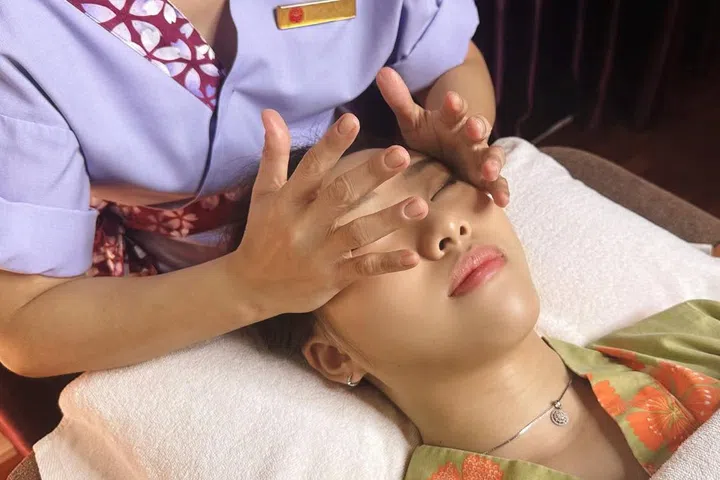
Korean massage is more than a therapeutic technique; it is a reflection of centuries-old cultural traditions that emphasize balance, holistic health, and the harmony between body and mind. Understanding these cultural influences provides insight into why Korean massage is not only a physical treatment but also a practice deeply rooted in Korean philosophy and lifestyle.visit for more details 마사지
Roots in Traditional Korean Medicine
Korean massage practices are heavily influenced by Traditional Korean Medicine (TKM), which shares many concepts with Traditional Chinese Medicine. TKM views the body as an interconnected system of energy pathways and emphasizes the smooth circulation of vital energy, or gi, and blood. Disruptions in these flows are believed to cause discomfort, illness, or fatigue.
Massage techniques were developed to restore harmony within the body by using assisted stretching, joint mobilization, and targeted pressure points. The goal is not just relaxation but the prevention of disease and the promotion of long-term health.
Influence of Confucian Philosophy
Confucian ideals have also shaped Korean wellness practices, including massage. Confucianism emphasizes balance, discipline, and harmony in daily life. These principles are reflected in Korean massage through careful, deliberate movements and a focus on maintaining the body’s natural balance.
The therapy encourages mindfulness and respect for the body, aligning with Confucian values of self-care, moderation, and prevention rather than reactive treatment.
Integration of Martial Arts Traditions
Traditional Korean martial arts, such as Taekwondo and Hapkido, have contributed to the development of stretching and joint techniques used in massage. Martial artists often required methods to improve flexibility, speed recovery, and prevent injuries, and these principles were adapted into therapeutic massage practices.
This influence is visible in the dynamic stretches, assisted limb rotations, and whole-body integration used in Korean massage, emphasizing both flexibility and strength.
Connection to Daily Life and Holistic Health
Historically, Korean massage was not limited to spas or therapy centers—it was a part of daily life and home remedies. Families often practiced gentle massage and stretching techniques to support children’s growth, relieve fatigue, and promote circulation. This cultural approach to preventive care reinforced the idea that wellness is a continuous practice, not just a response to illness.
Modern Adaptations Rooted in Tradition
Today, Korean massage has evolved to accommodate contemporary wellness needs, yet its cultural roots remain evident. Modern practitioners integrate traditional principles with clinical knowledge, creating therapies that honor centuries-old practices while addressing current health concerns such as stress, sedentary lifestyles, and muscle tension.
Wellness tourists and spa-goers often seek Korean massage not just for physical relief but for a culturally authentic healing experience that connects them to Korea’s rich heritage.
Conclusion
Cultural traditions deeply shape Korean massage practices, from the philosophies of Traditional Korean Medicine and Confucian balance to the flexibility techniques inspired by martial arts. These influences create a holistic, mindful, and preventative approach to health that continues to define Korean massage today. Understanding these traditions highlights why the practice is not just a massage but a reflection of Korea’s enduring commitment to wellness, harmony, and cultural heritage.